List of Best AI Prompting Frameworks for Redact AI in 2025
List of Best AI Prompting Frameworks for Redact AI in 2025
Ever asked ChatGPT for help only to get a response that's technically accurate but completely misses what you actually needed? You're not alone. The difference between mediocre AI outputs and genuinely useful results often comes down to one thing: how you structure your prompts. In 2025, as AI tools like ChatGPT and DeepSeek become workplace staples, mastering prompting frameworks isn't just a nice-to-have skill—it's essential for getting consistent, reliable results. But here's the catch: when you're working with sensitive business data, client information, or personal details, those powerful AI platforms become potential privacy risks. This guide reveals the best AI prompting frameworks specifically optimized for privacy-focused workflows, showing you how to unlock AI's full potential while keeping your sensitive information secure. Whether you're creating content, analyzing data, or solving complex problems, you'll discover exactly which framework fits your needs—and how tools like Caviard.ai let you leverage advanced prompting techniques without compromising your privacy.
What Are AI Prompting Frameworks and Why You Need Them
Think of AI prompting frameworks as the difference between asking a stranger for directions versus using GPS. While an ad-hoc prompt might get you somewhere eventually, a structured framework provides a reliable roadmap that works every time.
AI prompting frameworks are structured methodologies for building prompts that ensure consistency, safety, and high performance when working with AI tools. Rather than treating AI like a magic black box where you hope for the best, frameworks give you clear roles, constraints, tone, and expected structure for every interaction.
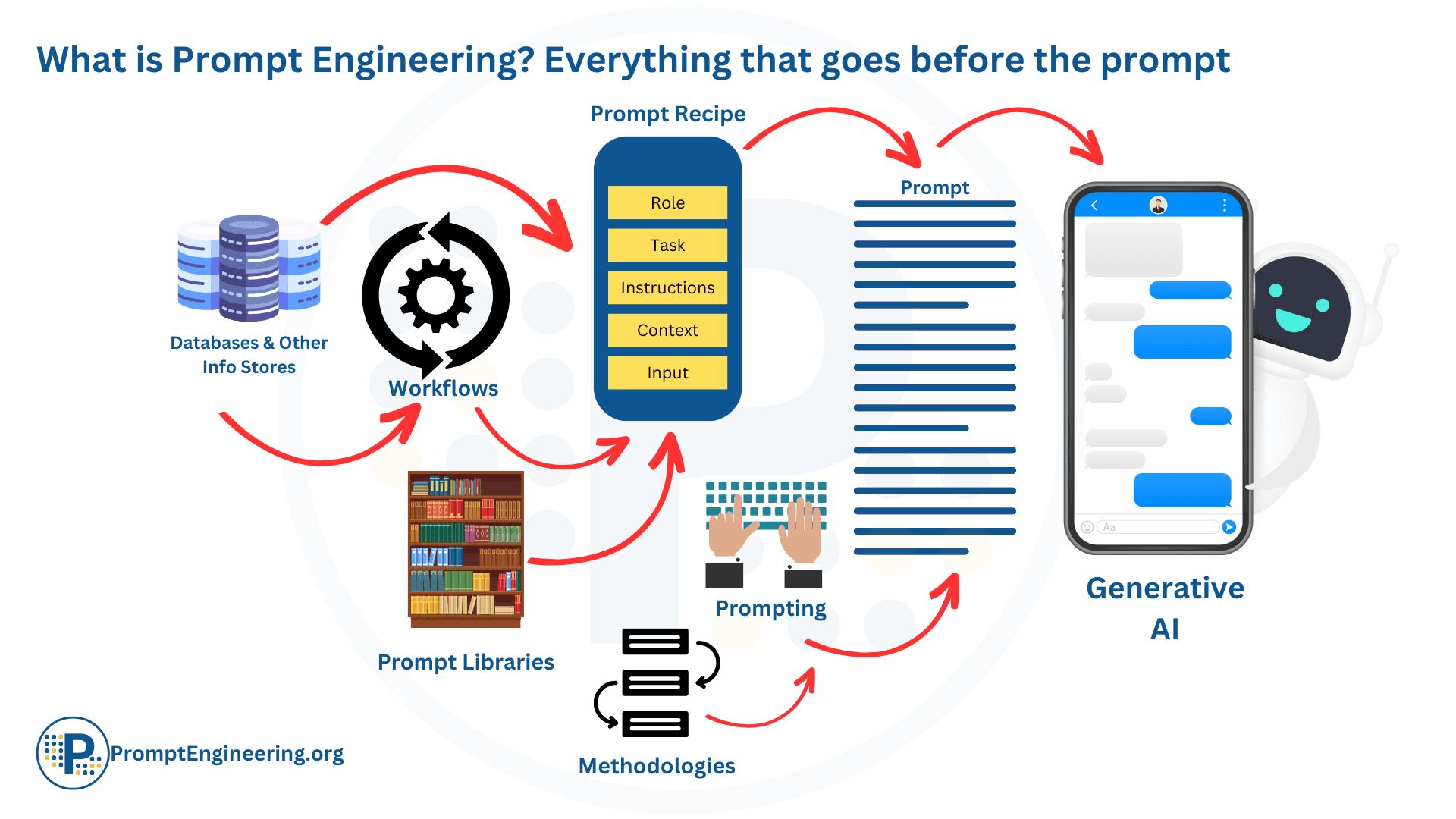
Why does this matter in 2025? According to research from Stanford HAI, users following structured AI prompting frameworks improved task accuracy by more than 30%. The shift represents what experts call "context engineering"—managing everything around the AI prompt to guide intelligent outcomes.
The real-world difference is striking:
- Ad-hoc prompts: "Write a marketing email" produces generic, inconsistent results
- Framework-based prompts: Using methodologies like COSTAR (Context, Objective, Style, Tone, Audience, Response) delivers consistent, brand-aligned content at scale
For organizations deploying AI across customer service, data processing, and workflow management, frameworks become essential infrastructure. They enable versioning, A/B testing, and governance—the unsexy but critical elements that separate AI product success from failure.
When combined with privacy tools like Caviard.ai—which automatically redacts sensitive information before sending prompts to AI platforms—frameworks become even more powerful for enterprise deployment. Caviard ensures your structured prompts remain secure while maintaining the consistency frameworks provide, processing everything locally in your browser without exposing PII to AI services.
Top 10 AI Prompting Frameworks for Redact AI in 2025
Mastering AI prompting frameworks is like learning different languages—each one helps you communicate with AI in ways that unlock specific capabilities. When you're working with privacy-focused tools like Redact AI, these frameworks become even more powerful, letting you craft sophisticated prompts while keeping your sensitive data secure.
Think of prompting frameworks as your AI communication toolkit. According to McKinsey's research, organizations using sophisticated prompt engineering practices achieve 340% higher ROI on their AI investments compared to basic approaches. That's not just better results—it's transformational productivity.
Here's what makes these frameworks essential in 2025: they give you structured methods to clearly define what you want AI to do, why, and how it should deliver outputs, as explained in this comprehensive guide to prompt frameworks. Whether you're analyzing data, creating content, or solving complex problems, the right framework helps you get consistent, high-quality results.
For privacy-conscious users, pairing these frameworks with tools like Caviard.ai—a Chrome extension that automatically redacts personal information before sending prompts to ChatGPT or DeepSeek—ensures you can leverage advanced prompting techniques without compromising sensitive data. It's the perfect combination: sophisticated AI communication with bulletproof privacy protection.
Let's dive into the 10 most effective frameworks that will transform how you work with Redact AI, ranked from beginner-friendly to advanced approaches that handle complex analytical tasks with precision.
1. APE Framework (Action, Purpose, Expectation)
Difficulty Level: ⭐ Beginner
Best For: General tasks, content creation, quick queries
The APE framework is your starting point for AI prompting—simple, fast, and incredibly effective. According to this framework comparison, it's specifically designed for beginners tackling general tasks and content creation with just three straightforward components.
Structure Breakdown:
- Action: What specific task should AI perform?
- Purpose: Why are you requesting this?
- Expectation: What output format or quality do you need?
Practical Example:
Action: Write a professional email
Purpose: To follow up with a client about project deliverables
Expectation: 150 words, friendly but professional tone, include action items
2. RACE Framework (Role, Action, Context, Expectations)
Difficulty Level: ⭐⭐ Intermediate
Best For: Professional tasks, business use cases, expert knowledge work
RACE model prompting delivers consistent AI results by adding role-playing and contextual depth. It's like giving AI a job description before asking it to perform—suddenly, you're not just getting generic responses, but expert-level insights tailored to your specific situation.
Structure Breakdown:
- Role: Assign AI a specific persona or expertise
- Action: Define the task clearly
- Context: Provide background information and constraints
- Expectations: Specify desired format, length, and quality
Practical Example:
Role: Act as a senior financial analyst with 10 years of experience
Action: Analyze this quarterly revenue data and identify trends
Context: Our company operates in SaaS with $50M ARR, focusing on mid-market clients
Expectations: Provide 5 key insights with specific recommendations, include data visualization suggestions
3. ROSES Framework (Role, Objective, Style, Example, Scenario)
Difficulty Level: ⭐⭐ Intermediate
Best For: Creative projects, content requiring specific tone/style
ROSES takes RACE to the next level by emphasizing style and providing examples. As highlighted in this comprehensive comparison, it's perfect for creative work where tone, voice, and stylistic consistency matter as much as content accuracy.
Structure Breakdown:
- Role: Define AI's expertise or perspective
- Objective: State your specific goal
- Style: Describe the desired tone, voice, or approach
- Example: Provide reference material or sample outputs
- Scenario: Set the contextual situation
Practical Example:
Role: Content marketing specialist for B2B tech companies
Objective: Create a LinkedIn post announcing our new product feature
Style: Conversational, value-focused, no jargon—think Seth Godin meets Ann Handley
Example: [paste example post that captures desired style]
Scenario: Product launch week, targeting CTOs and engineering leaders who struggle with data privacy compliance
4. TRACE Framework (Task, Requirements, Audience, Context, Evaluation)
Difficulty Level: ⭐⭐⭐ Advanced
Best For: Complex analytical work, research, detailed projects
When you need AI to handle sophisticated analysis, TRACE framework delivers the structure for complex, detailed projects that require precision and thoroughness.
Structure Breakdown:
- Task: Define the comprehensive objective
- Requirements: Specify technical details, length, data sources
- Audience: Identify who will consume this output
- Context: Provide background, constraints, and decision factors
- Evaluation: State how success will be measured
Practical Example:
Task: Create a market analysis report for entering the European cybersecurity market
Requirements: 10 pages, data-driven with charts, include competitor analysis and regulatory landscape
Audience: C-level executives making $5M investment decision
Context: Our company has strong US presence but no European footprint; decision needed by Q2
Evaluation: Report must provide actionable go/no-go recommendation with clear risk assessment
5. RTF Framework (Role-Based Structured Output)
Difficulty Level: ⭐⭐ Intermediate
Best For: Sequential operations, multi-step processes
According to this frameworks overview, RTF excels when you need AI to follow specific sequences of operations—think of it as creating a workflow where each step builds on the previous one.
Structure Breakdown:
- Role: Establish AI's expertise and perspective
- Task Sequence: Break down work into ordered steps
- Format Requirements: Define output structure for each phase
Practical Example:
Role: Senior product manager with expertise in user research
Task Sequence:
1. Analyze these 50 customer interview transcripts
2. Identify top 5 pain points with frequency counts
3. Map pain points to our product roadmap
4. Prioritize features based on impact vs. effort
Format: Deliver as executive summary (1 page) + detailed analysis (3 pages) + prioritization matrix
6. Chain-of-Thought Prompting
Difficulty Level: ⭐⭐⭐ Advanced
Best For: Complex reasoning, problem-solving, analytical tasks
Chain-of-Thought prompting breaks down AI reasoning into explicit steps, making it transparent and more accurate for analytical work. It's particularly powerful when you need to see the "work" behind AI's conclusions.
Structure Breakdown:
- Problem Statement: Clearly define what needs solving
- Step-by-Step Reasoning: Request explicit thought process
- Intermediate Conclusions: Ask for checkpoints along the way
- Final Answer: Synthesize the complete solution
Practical Example:
Problem: Should we expand our product to mobile platforms?

Think through this step-by-step:
1. First, analyze our current web traffic and user behavior data
2. Then, evaluate our target market's mobile usage patterns
3. Next, assess our technical resources and timeline constraints
4. Consider competitive landscape and market timing
5. Finally, provide recommendation with supporting rationale for each point

Show your reasoning at each step before moving to the next.
7. R-TAC Framework
Difficulty Level: ⭐⭐ Intermediate
Best For: Context-aware creative work, nuanced outputs
R-TAC combines role clarity with targeted action and rich context, creating what experts describe as context-aware creativity that balances structure with flexibility.
Structure Breakdown:
- Role: Define AI's perspective and expertise
- Task: Specify the action needed
- Additional Context: Layer in situational details
- Constraints: Set boundaries and requirements
Practical Example:
Role: Brand strategist for sustainable fashion companies
Task: Develop messaging framework for our eco-friendly clothing line
Additional Context: Target audience is Gen Z consumers who value authenticity over perfection; our competitors focus on luxury positioning while we emphasize accessibility
Constraints: Messaging must work across Instagram, TikTok, and email; avoid greenwashing language; maintain conversational tone
8. DEEP Framework (Define, Elaborate, Examples, Polish)
Difficulty Level: ⭐⭐⭐ Advanced
Best For: Expert content creation, iterative refinement
The DEEP framework excels at producing polished, professional content through progressive refinement. It's your go-to when quality matters more than speed.
Structure Breakdown:
- Define: State the topic and objective clearly
- Elaborate: Provide detailed specifications and requirements
- Examples: Supply reference materials or desired style
- Polish: Request specific refinements and quality checks
Practical Example:
Define: Create a white paper on AI privacy for enterprise buyers

Elaborate: 8-10 pages, executive summary included, focus on practical implementation rather than theory. Target audience is CISOs and IT directors at companies with 500+ employees. Must address compliance concerns (GDPR, CCPA) and ROI justification.

Examples: Style should mirror Gartner research reports—authoritative but accessible, heavy on frameworks and actionable insights. [Include sample section]

Polish: After drafting, refine for: (1) clarity of technical concepts, (2) compelling statistics placement, (3) strong call-to-action that doesn't feel sales-y
9. Meta Prompting
Difficulty Level: ⭐⭐⭐ Advanced
Best For: Self-optimizing prompts, continuous improvement
Meta-prompting is where AI becomes your prompt engineering partner, thinking critically about prompt quality and structure itself. It's like having an expert consultant optimize your communication strategy in real-time.
Structure Breakdown:
- Initial Prompt: Your starting request
- Optimization Request: Ask AI to analyze and improve the prompt
- Iteration Loop: Refine based on AI's suggestions
- Performance Tracking: Monitor improvements over time
Practical Example:
Here's my current prompt: [insert your prompt]

Now act as a prompt optimization specialist. Analyze this prompt for:
1. Clarity and specificity
2. Missing context that could improve output
3. Structural improvements using best practices
4. Potential edge cases or ambiguities

Then provide an improved version with explanations for each change. Finally, suggest how I could test both versions to measure performance improvement.
10. R-A-I-N Framework (Role, Action, Impact, Next)
Difficulty Level: ⭐⭐ Intermediate
Best For: Creative work with measurable outcomes, iterative projects
According to frameworks research, R-A-I-N bridges creative and analytical needs by emphasizing impact measurement and next steps—perfect for projects where results matter as much as execution.
Structure Breakdown:
- Role: Assign expertise and perspective
- Action: Define the creative or strategic task
- Impact: Specify desired outcomes and success metrics
- Next: Outline follow-up actions or iterations
Practical Example:
Role: Growth marketing strategist for SaaS startups
Action: Design a 90-day content marketing campaign for our project management tool
Impact: Goal is 500 qualified demo requests, 20% email open rates, and top-3 Google ranking for "remote team collaboration tools"
Next: After campaign design, provide week-by-week execution checklist, key performance indicators to track, and optimization triggers for underperforming channels
Framework Comparison: Which One Should You Use?
Choosing the right prompting framework can feel overwhelming, but understanding when to deploy each technique transforms confusion into confidence. Your selection depends on three key factors: task complexity, your experience level, and the specific output you need.
For beginners tackling straightforward tasks like content summarization or basic questions, zero-shot prompting works beautifully—just provide clear instructions without examples. When you need consistent formatting or specific styles, few-shot prompting shines by showing 2-3 examples of your desired output format.
Intermediate users handling complex reasoning should reach for chain-of-thought prompting, which guides AI through step-by-step logic—perfect for data analysis or multi-stage problem-solving. For content creators, role-playing prompts (assigning the AI a specific persona) generate more authentic, voice-consistent outputs.
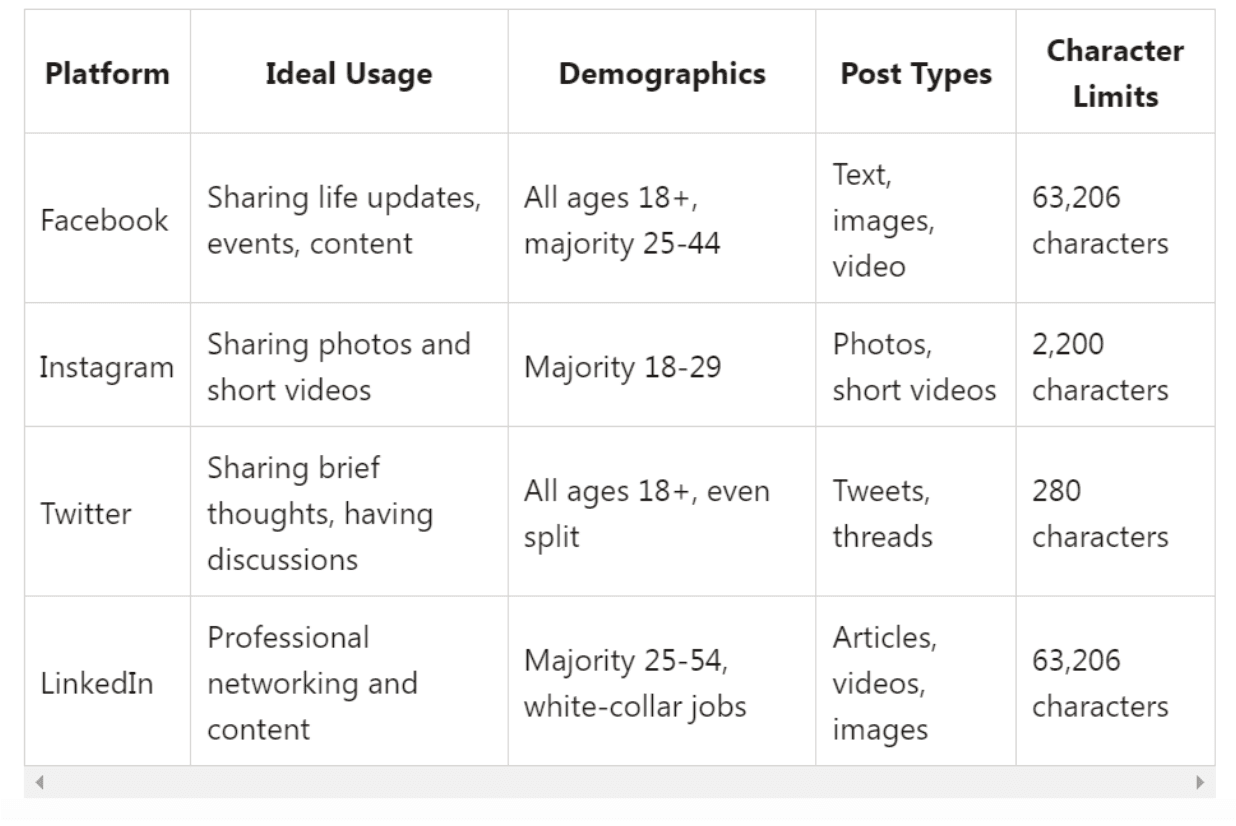
Advanced practitioners can combine frameworks strategically. Use meta-prompting to create reusable templates, or try self-consistency prompting for critical decisions—the AI generates multiple solutions and selects the most reliable answer. For complex workflows, ReAct prompting enables iterative problem-solving through reasoning-action cycles.
When working with AI assistants like ChatGPT or DeepSeek, privacy matters. Caviard.ai automatically redacts personal information before sending prompts, detecting 100+ types of sensitive data locally in your browser. This Chrome extension lets you leverage advanced prompting frameworks without compromising privacy—crucial for business tasks involving confidential data.
Quick decision guide: Simple task + beginner → zero-shot. Need examples → few-shot. Complex reasoning → chain-of-thought. Creative work → role-playing. Maximum accuracy → self-consistency.
How to Use Prompting Frameworks with Privacy-First AI Tools
Privacy-focused AI tools like Caviard.ai transform how you apply prompting frameworks—turning security from an afterthought into an active guardrail. When you combine structured frameworks with privacy protection, you get both better outputs and genuine data protection.
Why Structured Prompts Need Privacy Protection
Think of it like this: you wouldn't send patient medical records through regular email, even if you asked nicely. The same logic applies to AI prompts containing sensitive information. Privacy risks in AI interactions are real and growing—the average data breach now costs $9.48 million in the U.S.
Privacy-safe RACE Framework example:
- Role: "You're a healthcare consultant analyzing patient trends"
- Action: "Review anonymized treatment outcomes" (Caviard automatically masks patient names and IDs)
- Context: "Based on [REDACTED HOSPITAL] data from Q4"
- Expectation: "Provide three improvement recommendations"

Caviard's Local Processing Advantage
Unlike cloud-based solutions, Caviard.ai processes everything locally in your browser. Your sensitive data never leaves your machine. It automatically detects 100+ types of PII—names, credit cards, addresses—and replaces them with context-preserving placeholders before your prompt reaches ChatGPT.
ROSES Framework with automatic redaction: When you write "Analyze customer feedback from John Smith at john@company.com," Caviard transforms it to "Analyze customer feedback from [NAME] at [EMAIL]." The AI still understands the context perfectly, but your actual data stays protected.
The beauty? You maintain full AI functionality while protecting sensitive information. One click toggles between original and redacted text, letting you verify everything works while ensuring compliance. It's balancing security with usability—finally done right.
Advanced Techniques: Combining Frameworks for Maximum Results

Once you've mastered individual frameworks, the real power comes from combining them strategically. Think of it like cooking—knowing when to blend ingredients creates something far better than using each one alone.
Powerful Framework Combinations
Chain-of-Thought + RACE works brilliantly for complex content tasks. According to Chain of Thought Prompting in AI: A Comprehensive Guide, CoT enables AI models to break down problems into logical steps. Pair this with RACE's structure: "Role: Content Strategist. Action: Analyze this topic step-by-step, explaining your reasoning at each phase. Context: Blog post for marketing professionals. Expectation: 500-word analysis."
For data analysis projects, prompt chaining breaks down complex tasks into manageable parts. Start with a broad analysis prompt, then feed the output into increasingly specific prompts. For example: Prompt 1 identifies patterns → Prompt 2 explores anomalies → Prompt 3 generates recommendations.
Real-World Application Strategy
When generating code, developers using AI assistants now generate 37% of their codebase through prompt engineering. The winning approach? Combine frameworks with iterative refinement. First, use a structured framework to define requirements, then apply Zero-Shot-CoT with "Let's think step by step" to generate reasoning chains.
Critical pitfall to avoid: Don't over-complicate. Stanford's AI Lab director warns that by 2026, the distinction between prompting and programming will blur—but adding too many framework layers creates confusion rather than clarity. Start simple, then layer strategically.
Pro tip: When handling sensitive data in your prompts, use Caviard.ai, a Chrome extension that automatically redacts PII before sending prompts to AI platforms. It detects 100+ types of sensitive information locally in your browser, ensuring your framework combinations remain both powerful and secure—essential when iterating on prompts containing real client data or personal information.
Practical Implementation Guide: From Zero to Prompt Expert
Ready to transform from prompt novice to expert? Here's your actionable roadmap to mastering AI frameworks starting today—no fluff, just practical steps that work.
Your 3-Step Beginner Launch
Step 1: Start with Structure (Days 1-7). Pick one framework like Role-Task-Tone from the 2025 Beginner's Guide and use it exclusively for a week. Every prompt should follow this pattern: define who the AI is (role), what it needs to do (task), and how it should sound (tone).
Step 2: Document Everything (Days 8-14). Create a simple spreadsheet with columns for Framework, Prompt, Result Quality (1-10), and Notes. This becomes your personal prompt library—according to prompt engineering experts, saving your best-performing prompts is how professionals multiply their effectiveness.
Step 3: Test Across Platforms (Days 15-21). Run your top 5 prompts through ChatGPT, Claude, and Gemini. You'll discover that each AI model responds differently to identical prompts—ChatGPT excels at creative tasks, Claude handles complex reasoning better, and Gemini shines with research.
Ready-to-Use Framework Templates
CLEAR Framework:
Context: [Your specific situation]
List: [Expected deliverables]
Examples: [2-3 reference samples]
Action: [What AI should do]
Result: [Desired outcome format]
Chain-of-Thought Template:
"Explain your reasoning step-by-step before providing the final answer for [task]. Show your work."
Role-Based Prompt:
You are [specific expert role]. Your task is to [clear objective] for [target audience]. Provide [format] that includes [requirements].
Your 30-Day Practice Schedule
Week 1: Master basic structure—one framework daily Week 2: Build personal tinkering projects using prompts Week 3: Test complex scenarios and document results Week 4: Create templates for others and share findings
Pro tip: While experimenting with AI assistants, protect your sensitive information using tools like Caviard.ai—it automatically redacts personal data like names and addresses locally in your browser before sending prompts to ChatGPT or DeepSeek, ensuring your privacy stays intact while you master prompt engineering.
Common Mistakes to Avoid in Framework-Based Prompting
Even experienced AI users stumble into predictable traps that sabotage their prompts. Understanding these pitfalls—and how to fix them—can dramatically transform your results from mediocre to outstanding.
The Vagueness Trap is perhaps the most common mistake. According to Top 10 Prompt Mistakes to Avoid in 2025, ambiguity in prompts causes AI to "wander off into vagueness."
Before: "Write something about marketing strategies." After: "Act as a B2B marketing director. Create a 3-step email sequence targeting SaaS founders who've just raised Series A funding, focusing on demand generation tactics with specific CTAs."
Over-Constraining Outputs creates the opposite problem. When you pile on too many requirements, AI struggles to balance competing priorities. As noted in Prompt Engineering Best Practices 2025, overloading prompts with multiple tasks dilutes effectiveness.
Before: "Write a blog post that's funny, professional, technical, beginner-friendly, under 200 words, includes 5 examples, references 3 studies, and appeals to both CEOs and developers." After: "Write a 500-word technical blog post for mid-level developers explaining API rate limiting with 2 code examples."
Neglecting Examples severely limits AI understanding. Top 10 Prompting Techniques That Instantly Improve AI Output in 2025 emphasizes that few-shot prompting with examples dramatically improves accuracy and tone.
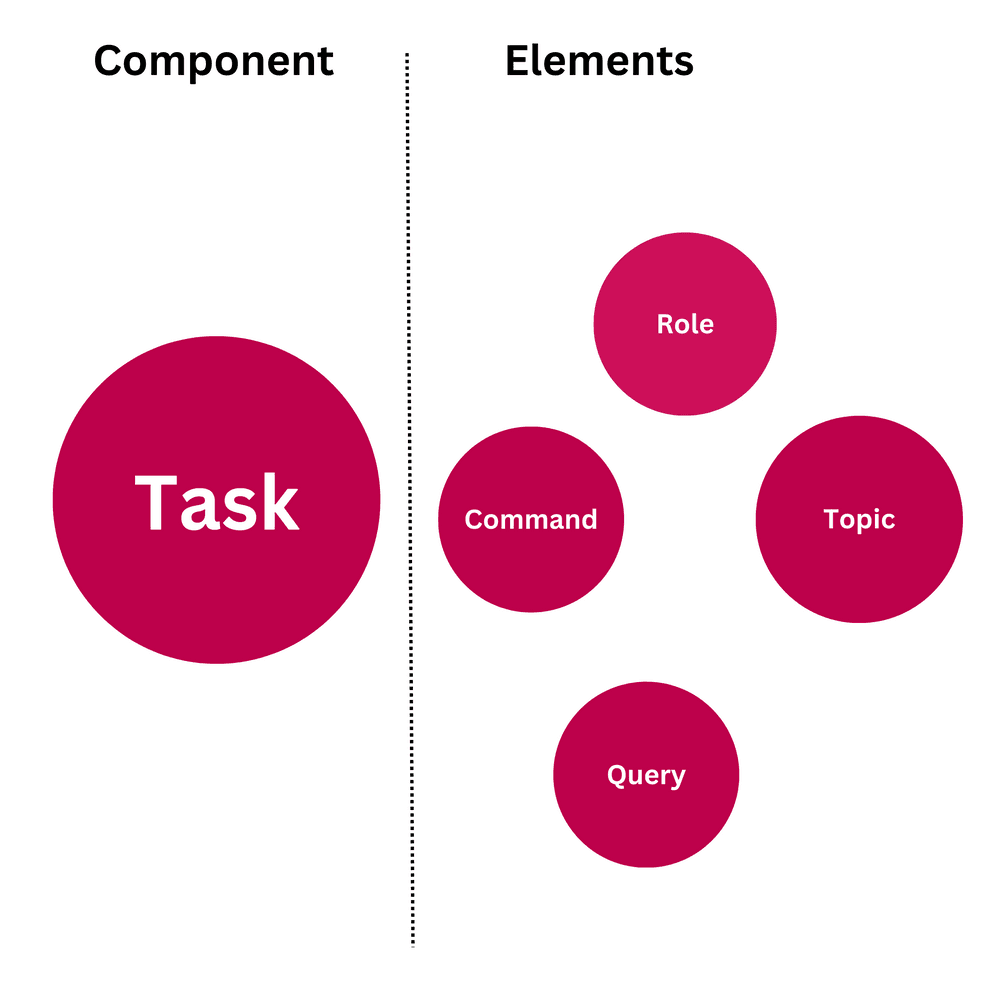
Ignoring Role Definition leaves AI without crucial context. Research from Prompt Engineering Best Practices shows that assigning specific roles helps AI map inputs to outputs more effectively.
Skipping Iteration is perhaps the costliest mistake. Your first prompt rarely produces perfect results. As 14 Prompt Engineering Mistakes You're (Probably) Still Making highlights, weak initial prompts create a "priming problem" that compounds through subsequent interactions.
When working with sensitive information in your prompts, consider using Caviard.ai, a Chrome extension that automatically redacts personal data like names, addresses, and credit card numbers before sending prompts to AI platforms. It processes everything locally in your browser, ensuring your sensitive information never leaves your machine—a crucial safeguard when iterating on prompts containing real-world data.
The Future of AI Prompting: 2025 Trends and Beyond

The AI prompting landscape is evolving at breakneck speed, and 2025 marks a pivotal shift from simple text commands to sophisticated, multi-dimensional interactions. As Mastering GPT-5 explains, next-generation models like GPT-5 are delivering "leaps in accuracy, speed, reasoning" that fundamentally change how we craft prompts. These systems bring expanded context, persistent memory, and enhanced multimodal capabilities that require entirely new prompting strategies.
Agent-Based Automation Takes Center Stage
The real revolution isn't just smarter models—it's autonomous agents. According to Sanalabs research, 72.4% of new agent deployments in 2024 were cloud-based, signaling a massive shift toward distributed AI systems. These agents go beyond answering questions—they coordinate workflows, manage data pipelines, and execute complex multi-step tasks. Think of them as digital colleagues who understand context across entire conversations, not just individual prompts.
Privacy-Aware Prompting: The Non-Negotiable

As 40% of organizations report AI-related privacy incidents, privacy-aware prompting has become critical. Enter solutions like Caviard.ai, a Chrome extension that automatically redacts sensitive information before it reaches AI platforms. Operating entirely locally in your browser, Caviard detects 100+ types of personal data—names, addresses, credit card numbers—and masks them in real-time. This approach represents the future: AI power without privacy compromise.
The bottom line? Success in 2025 requires systematic prompt engineering combined with built-in privacy safeguards. As enterprises adopt these technologies, platforms like Clarifai are helping businesses integrate multimodal AI solutions that balance capability with control, ensuring your prompts work smarter while keeping your data safer.
List of Best AI Prompting Frameworks for Redact AI in 2025
You've just fired off another ChatGPT prompt, hoping for genius-level output. Instead, you get something generic, vague, or completely off-target. Sound familiar? The difference between AI amateurs and power users isn't luck—it's structure. While most people treat AI like a magic eight ball, professionals use prompting frameworks that transform inconsistent outputs into reliable results. These frameworks aren't complicated formulas requiring a PhD in computer science. They're practical communication patterns that tell AI exactly what you need, why you need it, and how to deliver it. Whether you're analyzing sensitive customer data, creating marketing content, or solving complex business problems, mastering just 2-3 frameworks can 10x your productivity while keeping your information secure. In this guide, you'll discover the 10 most effective AI prompting frameworks that work seamlessly with privacy-focused tools like Caviard.ai, plus practical examples you can copy and implement today—no technical background required.